Best River Walks in England

Written by UK Hidden Gems Editorial
Updated 5 August 2026
The best river walks in England are Great Langdale, Nene Park, Panshanger Park, Kennall Vale, Stepping Stones Walk, Coalhouse Fort Park, Chee Dale and Cheddar Gorge.
Rivers thread through some of the loveliest walking country in England, and this national round-up follows eight of the best from the mountains to the estuary. In the Lake District, the River Rothay and its streams water the valley of Great Langdale beneath the Langdale Pikes.
Further east, Nene Park spreads along the River Nene near Peterborough, and Panshanger Park traces a chalk stream through the Mimram valley in Hertfordshire. Cornwall offers the wooded Kennall Vale near Falmouth, with its old gunpowder works beside the water.
In Surrey you can hop the Stepping Stones over the River Mole at Box Hill, while Essex has the riverside walks around Coalhouse Fort on the Thames. The Peak District brings the squeezed limestone path of Chee Dale on the River Wye, and Somerset the deep canyon of Cheddar Gorge in the Mendips.
From mountain becks to tidal shores, there is a riverside route here for every sort of day. Here are eight river walks to seek out across England.
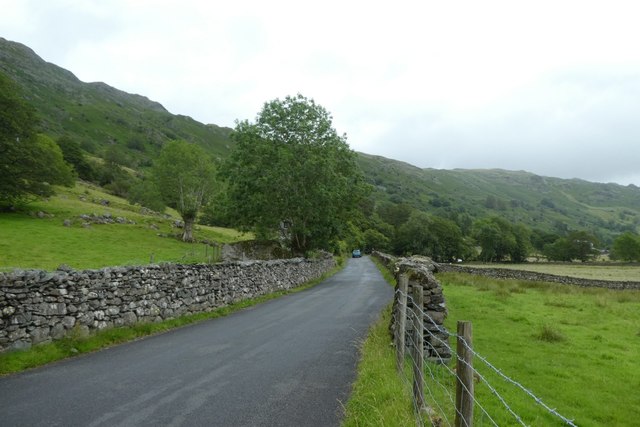
Great Langdale
Photo: DS Pugh via Geograph.org.uk
Explore Great Langdale In the heart of the Lake District, west of Ambleside, Great Langdale is a valley ringed by the rocky summits of the Langdale Pikes. Farms, drystone walls and a scatter of houses fill the valley floor, and the old inns at Dungeon Ghyll are long tied to fell walking and climbing.
Paths climb from the valley onto the Pikes, Bowfell and Crinkle Crags, passing the fall of Dungeon Ghyll Force and rising to Stickle Tarn. Much of the land belongs to the National Trust.
Whether you keep to the streams and becks on the valley floor or head for the heights, it is a classic Cumbrian river-and-fell walk.
Nene Park
Photo: Chris Heaton via Geograph.org.uk
Nene Park gathers most of its life at Ferry Meadows, where three lakes sit among meadows and woodland threaded with paths for walking and cycling. This is the busy heart of a large country park that straddles the River Nene along the western edge of Peterborough.
There is plenty to fill a day: sailing, kayaking and boat hire on the water, play areas, a miniature railway, and a cafe and visitor centre for when you flag. A heritage steam line even runs through the grounds.
Opened in 1978, the park reaches several miles along the river and remains a well-used stretch of green for the city.
Panshanger Park
Photo: Julian Paren via Geograph.org.uk
Panshanger Park Behind iron railings stands the Panshanger Oak, a colossal ancient tree rated among the finest maiden oaks in the country and the reason many people come. It anchors around a thousand acres in the Mimram valley between Hertford and Welwyn Garden City, land held by a quarrying company and opened to walkers in 2014, now tended for wildlife by the local trust.
Capability Brown and Humphry Repton both had a hand in the scenery, though the great house they framed came down in the 1950s. Trails follow a chalk stream through woodland, grassland and wetland, one laid out for dragonflies.
Kennall Vale
Photo: Tony Atkin via Geograph.org.uk
Explore Kennall Vale At Ponsanooth, near Falmouth in Cornwall, Kennall Vale is a wooded nature reserve set in a steep river valley and run by the wildlife trust. Among the trees stand the mossy ruins of a nineteenth-century gunpowder works, where water from the Kennall River was led along leats to drive the mills.
Ruined buildings and a flooded quarry lie scattered through the wood, damp and green, and paths wind through the reserve. The place is alive with birds and bats, and the river runs past dippers.
For a shady, atmospheric walk beside running water with a strong sense of history, this hidden Cornish valley is a real find.
Stepping Stones Walk
Photo: Kurseong Carl via Geograph.org.uk
Discover the Stepping Stones Walk At the foot of Box Hill in the Surrey Hills, the Stepping Stones are a line of hexagonal stones crossing the River Mole, in country cared for by the National Trust. A much-loved circular walk from the hilltop visitor centre drops through woodland to cross the river on the stones, with a footbridge alongside for when the water runs high, then climbs back up to the viewpoints over the Weald.
The stones were taken out during the Second World War to hinder any invasion, and put back in 1946, reopened by the prime minister of the day. They can be underwater after heavy rain, so check conditions before you set off.
Coalhouse Fort Park
Photo: Ashley Dace via Geograph.org.uk
Visit Coalhouse Fort Park Beside the Thames at East Tilbury in Essex, Coalhouse Fort is a Victorian artillery fort of curved casemates, finished in 1874 to guard the estuary. A water-filled ditch runs around it, and the fort sits within a riverside park of lawns, play areas and quiet walks along the water.
The park is open all year, while the fort itself opens on occasional days, so check ahead if you want to look inside. Views from the riverside reach across the Thames to the Kent shore.
For a flat, easy walk that mixes history with wide estuary skies, this corner of Essex is a rewarding and often overlooked spot.
Chee Dale
Photo: Chris Morgan via Geograph.org.uk
Chee Dale A line of stepping stones runs at the foot of an overhanging cliff here, the path squeezed so hard against the rock that the river takes the only other space. This is the best-known stretch of a narrow limestone gorge on the River Wye, south of Buxton in the Peak District.
When the water rises the stones and the low riverside path flood and turn impassable, so it is one for drier days. The tall walls of the dale draw climbers, and the old railway line of the Monsal Trail runs along the top above the gorge.
Cheddar Gorge
Photo: norman griffin via Geograph.org.uk
Cheddar Gorge Grey limestone walls climb to around 450 feet at the deepest point, standing sheer above the road in places as it threads the canyon floor. This deep gorge cuts through the Mendip Hills in Somerset, and off its lower end, near Cheddar village, show caves open into the rock, among them Gough's Cave, which runs far back into the hillside.
The National Trust holds the northern side and the Longleat estate the southern, with a footpath along the clifftops for anyone wanting the airy view straight down. Few inland cliffscapes in the country match it for sheer drama.
FAQs
Which river walk is best for a dramatic gorge?
Chee Dale on the River Wye in the Peak District and Cheddar Gorge in the Somerset Mendips both offer high limestone walls and a real sense of drama close to the water.
Are these walks affected by high water?
Some are. The Stepping Stones over the River Mole at Box Hill in Surrey, and the stones in Chee Dale in the Peak District, can go underwater after heavy rain, so check conditions first.
Where can I combine a river walk with history?
Kennall Vale near Falmouth hides an old gunpowder works, while Coalhouse Fort on the Thames in Essex pairs a Victorian fort with easy riverside walking.
Conclusion
River walking in England takes you from splashing mountain becks to broad tidal shores, and this round-up captures that whole sweep. You might follow the streams of Great Langdale beneath the Lake District fells, hop the Stepping Stones over the River Mole at Box Hill in Surrey, or trace the wooded Kennall Vale near Falmouth.
There are big country parks such as Nene Park and Panshanger, the estuary views at Coalhouse Fort in Essex, and the dramatic limestone of Chee Dale and Cheddar Gorge. Some routes are gentle and flat, others squeezed between cliffs or high on the fells, but all keep water close for company.
Watch the levels after rain, wear the right boots and take your time. Wherever you wander, these are the river walks to seek out across England.