Hidden Gems Near Torquay

Written by UK Hidden Gems Editorial
Updated 5 August 2026
The hidden gems near Torquay are Long Quarry Point, Bradley Woods (Totnes), Staverton Weir, Sugary Cove, Haytor Rocks Dartmoor, Haytor Quarry, Spitchwick Common and Hound Tor.
Torquay and the wider English Riviera make a fine base, with the red cliffs of the coast on one side and the wild sweep of Dartmoor rising inland. Just up the coast at Babbacombe, an old limestone quarry has left a dramatic headland to explore.
Head west towards Newton Abbot and Totnes and you find National Trust woodland, a medieval manor and a quiet weir on the River Dart that swimmers love. To the south, a tiny hidden cove sits below the cliffs near Dartmouth Castle.
Inland, Dartmoor holds the best of the rest: two great granite tors, a flooded quarry alive with dragonflies, and a much-loved river beach where families paddle in peaty moorland water. Some spots are minutes from the seafront, others a scenic drive up onto the moor, but each is worth the trip.
Whether you fancy a coastal scramble, a wild swim or a breezy walk among ancient rocks, there is plenty to discover. Here are eight hidden gems to seek out near Torquay.
Long Quarry Point
Photo: N Chadwick via Geograph.org.uk
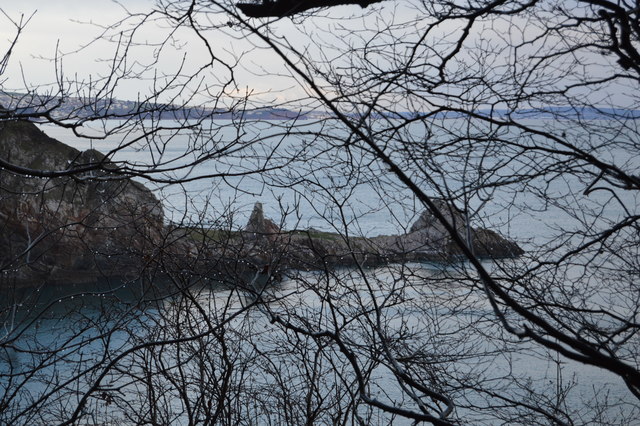
Explore Long Quarry Point A short hop from town at Babbacombe, this headland was formed by a large disused limestone quarry cut into the coast. Steep cliffs rise at the back of the quarry floor, with rock pinnacles and old iron mooring posts left from the days when stone was loaded onto boats and shipped away.
The rock here is a well-studied Devonian limestone holding the fossil remains of an ancient reef, and the point lies within a protected coast and a UNESCO geopark. A zig-zag path drops down to it from Walls Hill, and it is a busy spot for climbers and coasteering.
Bradley Woods (Totnes)
Photo: Derek Harper via Geograph.org.uk
Wander Bradley Woods Despite the Totnes label, Bradley is a National Trust property on the western edge of Newton Abbot, set in about a hundred acres of meadows, orchards and woodland in the River Lemon valley. The woodland, a protected site with small-leaved lime, is threaded by riverside and woodland paths open for walking, with dogs allowed on leads.
At its heart stands an early 15th-century medieval manor house, one of the most complete in Devon, which opens for guided tours on set days in the season.
Staverton Weir
Photo: Christine Johnstone via Geograph.org.uk
Swim at Staverton Weir A few miles up the River Dart from Totnes, this weir at the village of Staverton is a well-loved wild swimming spot. Swimmers use the deeper, calmer pool above the weir rather than the weir face itself, on a quiet, wooded stretch of river with meadows along the bank.
The old medieval Staverton Bridge stands close by, and the South Devon heritage steam railway runs alongside the Dart here, with a station in the village. There is parking near the bridge, and the water is cold and clear.
Sugary Cove
Photo: Derek Harper via Geograph.org.uk
Find Sugary Cove To the south near Dartmouth, this tiny, secluded beach of mixed sand and pebble lies below wooded cliffs about a mile from the town, overlooked by Dartmouth Castle. It is reached on foot from the castle car park down a steep path with steps, and there are no facilities on the beach itself.
The beach all but disappears at high tide. It is a quiet spot used for swimming when the tide allows, so check the tides before you set off.
Haytor Rocks Dartmoor
Photo: Trevor Pearce-Jones via Geograph.org.uk
Climb Haytor Rocks Up on the eastern edge of Dartmoor near Bovey Tracey, Haytor is a great mass of granite and one of the best-known tors on the moor. It rises in two rocky lumps split by a gap, standing high above the surrounding moorland at around 457 metres.
Steps were cut into the rock in the 1800s to help visitors climb to the top, and the stumps of an old iron handrail can still be seen. The open moor around it gives wide views across Devon.
Haytor Quarry
Photo: Gareth James via Geograph.org.uk
Haytor Quarry sent its granite off the moor on a tramway unlike almost any other, its very rails cut from the same granite the quarrymen were digging. The workings fell silent in the mid-1800s, and the main pit has since flooded into a pool beneath the old rock faces, now a haunt of dragonflies and other wildlife.
The remains of a crane still stand around the water, stone bases and iron parts left where they were abandoned. Set in open moorland below the tor, it makes a peaceful stop on a walk up Haytor itself.
Spitchwick Common
Photo: Derek Harper via Geograph.org.uk
Paddle at Spitchwick Common Also known as Deeper Marsh, this popular river beach and wild swimming spot lies on the River Dart near Poundsgate, close to New Bridge on the edge of Dartmoor. Grassy flats run down to a rocky river shore, with shallow water for paddling near the bank and a deeper pool under a wooded cliff on the far side.
The peaty, tea-coloured moorland water is clean, and it is one of the best-loved bathing places on the Dart, busy with families and picnickers on a hot day. Parking is by New Bridge nearby.
Hound Tor
Photo: David Smith via Geograph.org.uk
Scramble up Hound Tor Near Manaton on the eastern edge of Dartmoor, this weathered granite tor rises in dramatic piles of rock above the moor. A short walk from a nearby car park leads up to it, popular with walkers and climbers.
Just below lie the low stone foundations of a deserted medieval village, its ruined longhouses left behind when the settlement was abandoned in the 1300s. The open moor around gives wide views across Devon.
FAQs
Where can you wild swim near Torquay?
Two of the best spots lie on the River Dart within a short drive of Torquay: Staverton Weir near Totnes, where swimmers use the calm pool above the weir, and Spitchwick Common near Poundsgate on the edge of Dartmoor, a much-loved river beach with peaty moorland water.
Is Haytor easy to reach?
Yes. Haytor sits on the eastern edge of Dartmoor near Bovey Tracey, about twenty-one kilometres from Torquay, with parking close by and steps cut into the granite in the 1800s to help you reach the top.
How do you get to Sugary Cove?
Sugary Cove lies about a mile south of Dartmouth and is reached on foot from Dartmouth Castle car park, down a steep path with steps. There are no facilities, and the beach all but vanishes at high tide, so time your visit carefully.
Conclusion
From the quarried headland at Babbacombe to the granite tors and river beaches of Dartmoor, this stretch of Devon rewards anyone willing to stray beyond the seafront. Start close to home with a coastal scramble at Long Quarry Point, then head west for woodland walks near Newton Abbot and a cooling dip above Staverton Weir on the Dart.
To the south, seek out the little cove below Dartmouth Castle when the tide allows. Save Haytor, its flooded quarry, Hound Tor and the river beach at Spitchwick for a day up on the moor, where wide views and ancient rock await.
Coast, river or high moorland, each spot offers something different within an easy drive. Whether you want a wild swim, a gentle stroll or a proper climb, these are the hidden gems to seek out near Torquay.