Top Hidden Gems Day Trips from Middlesbrough

Written by UK Hidden Gems Editorial
Updated 5 August 2026
The top Hidden Gems Day Trips from Middlesbrough include Heugh Breakwater, Steetley Pier, Guibal Fanhouse, Joe's Pond, Hendon Beach, Rievaulx Abbey, Backhouse Park and Claxheugh Rock.
Middlesbrough sits within easy reach of some wonderfully varied country, from the North Sea coast to the moors and the old mining hills, and a day trip in almost any direction turns up something out of the ordinary. Head north up the coast toward Hartlepool and you can walk the Victorian Heugh Breakwater and find the rusting legs of Steetley Pier on the beach beyond.
Southeast, in the Cleveland hills, the ruined Guibal Fanhouse recalls the ironstone mines. Push on north into County Durham and Sunderland for the wetland birds of Joe's Pond, the honest urban shore of Hendon Beach, the wooded valley of Backhouse Park with its parakeets, and the pale geological cliff of Claxheugh Rock above the Wear.
For something older still, turn south into the North York Moors, where the soaring ruins of Rievaulx Abbey stand in a quiet valley near Helmsley. Each makes a rewarding drive, and together they show off the range of landscapes on this corner of the North East.
Here are eight hidden gems for a day trip from Middlesbrough.
Heugh Breakwater
Photo: Chris Morgan via Geograph.org.uk
Walk the Heugh Breakwater A short drive north brings you to the Headland at Hartlepool in County Durham, where the Heugh Breakwater strides out into the North Sea. Built in the 1850s from great blocks of concrete, this long Victorian structure has spent well over a century taking a battering from the waves, and the outer end is now fenced off as unsafe.
Beside it rises the white tower of the Heugh Lighthouse, one of a pair of markers set on the point. Walk out along it and you look back over the harbour, with open sea stretching away beyond.
A bracing spot for a coastal wander.
Steetley Pier
Photo: Andy Waddington via Geograph.org.uk
Seek out Steetley Pier Head up the coast just north of Hartlepool, again in County Durham, and you will find the skeletal remains of Steetley Pier reaching out from the beach into the North Sea. This old industrial jetty once drew in seawater for a magnesite works, a factory long since demolished and built over, leaving only the rusting iron legs marching seaward.
Photographers have adopted the spot, particularly at sunrise and sunset, when low light catches the ironwork and the water. Reached on foot from the seafront, with beach and dunes all around, it makes a quietly atmospheric stop.
Guibal Fanhouse
Photo: habiloid via Geograph.org.uk
Explore the Guibal Fanhouse Out in the Cleveland hills, a drive southeast of Middlesbrough, stands one of the region's odder industrial survivals. A Guibal fanhouse once held a huge ventilating fan that pulled stale air up out of a mine's workings, and the best-preserved example sits at the old Skelton ironstone mine.
Built around 1870 to house a fan roughly thirty feet across, this listed ruin of concrete and brick now stands open on the hillside, its heavy walls a rare reminder of the machinery that kept miners breathing. It speaks to the ironstone mining that once shaped these hills.
Joe's Pond
Photo: Les Hull via Geograph.org.uk
Visit Joe's Pond A longer run north, past Houghton-le-Spring in County Durham, leads to Joe's Pond, a freshwater pond and wetland reserve cared for by the Durham Wildlife Trust. It sits beside the Trust's larger Rainton Meadows reserve and began as a flooded clay pit worked in the 1950s by a man named Joe Wilson, whose name it kept.
Open water, reeds, fen and flower-rich grassland fill the site, and a wheelchair-friendly boardwalk loops the pond, with waymarked trails and bird hides. More than 140 bird species have been recorded, including all five British owls.
Parking and a visitor centre sit at Rainton Meadows next door.
Hendon Beach
Photo: Oliver Dixon via Geograph.org.uk
Stroll along Hendon Beach Further north still, on the Sunderland coast just south of the docks, Hendon Beach is a strip of sand and shingle backed by a sea wall and promenade, with wooden groynes and rock defences along the front. This is an honest, urban beach: the view takes in the working port and its industrial buildings rather than open countryside, and the England Coast Path runs right along it.
The surrounding area has seen plenty of regeneration in recent years. If you fancy extending the walk, Grangetown Beach lies a short way further south along the shore.
Rievaulx Abbey
Photo: John Baker via Geograph.org.uk
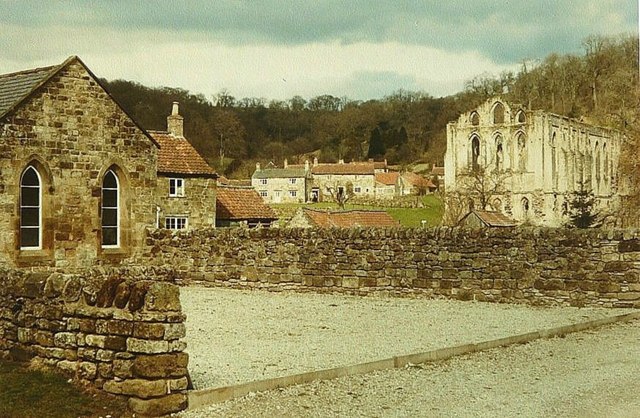
Wander Rievaulx Abbey For a complete change of mood, drive south into the North York Moors near Helmsley, where Rievaulx Abbey fills a wooded valley of the River Rye. This Cistercian monastery is among the most complete and atmospheric monastic ruins in England.
Founded in 1132, it grew into one of the country's wealthiest abbeys before Henry the Eighth dissolved it in 1538. You can wander among the tall, roofless walls of the church and the ranges around the cloister, with a museum of finds from the monks' daily lives, plus a cafe and shop.
English Heritage cares for the site.
Backhouse Park
Photo: Malc McDonald via Geograph.org.uk
Discover Backhouse Park Back on the Sunderland side, in the Ashbrooke area, Backhouse Park fills a wooded valley cut by the Hendon Burn. Mature trees, spring bulbs and rich autumn colour give it the feel of an arboretum, with paths threading through the valley and a well-known colony of green parakeets living among the branches.
The land was once the private garden of the Quaker Backhouse family, laid out from 1835, before it passed to the town and opened as a public park in the early 1920s. It rests on the Permian magnesian limestone that runs beneath this stretch of coast.
Claxheugh Rock
Photo: Tim Heaton via Geograph.org.uk
See Claxheugh Rock Last comes Claxheugh Rock, a tall pale cliff on the south bank of the River Wear in western Sunderland, near South Hylton and the old Ford Quarry. Rising around twenty metres, it lays bare a Permian reef of dolomite limestone sitting on soft yellow sandstone, and it matters enough to geologists to be a protected site, the very place this rock formation was first defined.
Reached from the riverside path, it presents a buff-coloured wall lifting above the Wear. Keep an eye out for peregrines and estuary birds working the water and the crag around it.
FAQs
Which hidden gems near Middlesbrough are best for a coastal walk?
For sea air, the Heugh Breakwater and Steetley Pier on the County Durham coast near Hartlepool are both easy drives north from Middlesbrough, while Hendon Beach sits further up on the Sunderland shore.
How far is Rievaulx Abbey from Middlesbrough?
Rievaulx Abbey lies about 36 kilometres south of Middlesbrough, in a wooded valley near Helmsley on the edge of the North York Moors, making an enjoyable day-trip drive.
Are any of these day trips good for wildlife?
Yes. Joe's Pond near Houghton-le-Spring has recorded more than 140 bird species including all five British owls, and Backhouse Park in Sunderland is home to a colony of green parakeets.
Conclusion
From the wave-battered coast at Hartlepool to the ruined ventilating fan in the Cleveland hills, this corner of the North East hides a great deal beyond the obvious. A day out from Middlesbrough might mean a bracing walk on the breakwater and Steetley Pier, a slow wander through the parakeet-filled trees of Backhouse Park, or a quiet hour with the birds at Joe's Pond.
Turn inland and you can lose yourself among the soaring stones of Rievaulx Abbey, or trace the geology of Claxheugh Rock above the Wear. Coast, moor and mining history all lie within easy driving distance, waiting to be explored.
Whichever direction you pick, these are the hidden gems for a day trip from Middlesbrough.