
10 Hidden Lochs in the Scottish Highlands

The Scottish Highlands are famed for their dramatic mountains, ancient castles, and rugged coastlines, yet tucked away among the glens and forests lie countless lochs that many travellers never see.
While Loch Ness often steals the spotlight, the Highlands are scattered with hidden waters that feel like secret worlds, waiting for those who venture off the beaten path.
These lochs shimmer in quiet valleys, surrounded by whispering pines or heather-strewn hills, their surfaces often so still they mirror the skies above. Visiting them is like stepping into a timeless landscape, where nature has remained unchanged for centuries.
Unlike crowded tourist spots, these hidden lochs invite you to pause, breathe deeply, and listen to the call of curlews or the rustle of deer moving through the bracken. Whether you are drawn to the solitude of a high mountain tarn or the soft beauty of a woodland pool, each loch offers its own distinct character.
This guide will reveal ten such places, weaving together the sights, sounds, and atmosphere that make them special. From shimmering waters framed by ancient birch to remote stretches accessible only by winding trails, you will find both inspiration and peace.

1) Loch Droma
High above the road that links Ullapool to Inverness, Loch Droma lies cradled in a wide moorland plateau where the wind carries the scent of peat.
Its waters glisten darkly under shifting skies, reflecting clouds that seem to sweep low enough to touch. The loch feels vast and exposed, with only the occasional croak of a raven breaking the silence.
To the south, the rounded peaks of the Fannichs rise steadily, their slopes often streaked with snow well into spring. Standing at the water’s edge, the sense of remoteness is almost tangible, as if time moves more slowly here.
In the evenings, when the light fades, the loch takes on a silvery glow that makes it seem otherworldly. Anglers are sometimes spotted along the banks, quietly casting for trout that thrive in the cool depths.
The heather around the loch blooms purple in late summer, filling the air with a sweet, earthy fragrance. On misty mornings, the horizon blurs, and the water seems to merge with the sky. It is a place where solitude feels complete, unbroken except by the natural rhythm of wind and water.
Reaching Loch Droma is easy by Highland standards, as it lies close to the roadside, yet it remains little visited compared to more famous waters.
FAQs/Things to know when visiting Loch Droma
Q1: What is the best time of year to visit Loch Droma?
The best time to visit Loch Droma is during late summer when the heather blooms and the hillsides turn vibrant purple. Spring also offers spectacular views, with lingering snow on the Fannichs creating a dramatic backdrop. Winter brings harsh winds, but the loch takes on a striking, icy beauty. Each season highlights a different face of this wild Highland setting.
Q2: Can you fish at Loch Droma?
Yes, Loch Droma is well known among anglers for its healthy population of trout. Local permits are required, and many visitors enjoy a peaceful day of casting along the shoreline. The cool, clean waters make it an excellent habitat for fish, ensuring good chances of a catch.
Q3: Is Loch Droma easy to reach without hiking?
Loch Droma is conveniently located near the A835 road between Ullapool and Inverness, making it accessible without long treks. Visitors can stop at laybys and walk short distances to the water’s edge. This ease of access makes it ideal for those who want to experience Highland scenery without strenuous climbs.


2) Loch Affric
Nestled deep within Glen Affric, often described as one of Scotland’s most beautiful glens, Loch Affric shines like a jewel among pinewoods and mountains. Its waters stretch long and narrow, fringed by ancient Caledonian forest that whispers with the breeze.
The loch lies at the heart of a landscape shaped by glaciers and time, where birch and pine grow beside rushing burns. Deer are often glimpsed grazing at dawn, their antlers silhouetted against the water. The air here feels crisp and pure, carrying the scent of pine resin and damp earth.
Walking along the shore, you hear the crunch of needles beneath your boots and the call of distant birds echoing across the glen. The loch reflects golden light at sunset, turning the surrounding slopes into a tapestry of fire-coloured hues. In autumn, the forests blaze with reds and oranges, making every bend in the path a new picture.
The stillness is broken only by the occasional splash of fish leaping from the water. Every step feels like entering deeper into Scotland’s untamed heart.
Reaching Loch Affric requires effort, but it rewards with unmatched serenity. Paths wind through the glen, inviting walkers and photographers to linger for hours.
FAQs/Things to know when visiting Loch Affric
Q1: How do you get to Loch Affric?
Loch Affric is reached by driving to the small village of Cannich, then following a single-track road into the glen. From there, walking paths lead you into the heart of the area. Although remote, the route is well signposted, making it suitable for those prepared for a day’s adventure. The journey itself is part of the charm, unfolding scenic views at every stage.
Q2: What wildlife can be seen around Loch Affric?
Visitors to Loch Affric may encounter red deer, golden eagles, and pine martens in the surrounding forest. The loch’s still waters also attract otters, although they are shy and best spotted at quiet times. Birdsong fills the air in spring, while autumn brings stags calling during the rut.
Q3: Is Loch Affric suitable for families with children?
Yes, Loch Affric can be enjoyed by families, especially on the gentler walking trails around the glen. Children often love the sense of adventure, spotting wildlife and exploring the forest paths. The loch’s calm beauty provides a safe and memorable backdrop for picnics and short hikes.


3) Loch Maree
Loch Maree stretches for over twelve miles beneath the towering slopes of Slioch, a mountain whose name means “the spear.”
The loch is dotted with wooded islands, some carrying fragments of ancient Caledonian pine that have stood for centuries. The water sparkles under the shifting Highland skies, turning from deep blue to silver-grey in a matter of minutes.
Legends cling to its shores, including tales of saints who once retreated here for solitude and prayer. Standing by the loch, it is easy to believe in the enduring power of such stories.
The scale of Loch Maree is impressive, yet it retains a sense of intimacy thanks to the islands scattered across its surface. These islands shelter rare plants and provide havens for birds, making the loch a paradise for nature lovers.
The water is famously clean and was once believed to have healing qualities. From the shore, anglers cast quietly, while boats drift between the islets. The loch’s mood shifts constantly, sometimes wild and windswept, other times still and reflective.
Exploring Loch Maree can take a whole day, as paths lead along the banks and up into nearby hills. Views from higher ground show the loch as a glittering ribbon winding through rugged terrain.
FAQs/Things to know when visiting Loch Maree
Q1: Why is Loch Maree considered special?
Loch Maree is unique for its combination of islands, ancient pine forest, and dramatic mountain scenery. Few lochs in Scotland have such a striking variety of landscapes in one setting. Its water was once thought sacred, and people travelled here to seek healing. Today, it continues to captivate visitors with its unspoiled beauty.
Q2: Can you take a boat trip on Loch Maree?
Yes, boat trips are sometimes available on Loch Maree, offering visitors a chance to see its islands up close. The experience of gliding across the water reveals perspectives not visible from the shore. Boats also allow easier access for anglers hoping to find trout in deeper areas. Always check with local providers, as services can vary by season.
Q3: Is Loch Maree good for walking holidays?
Loch Maree is an excellent base for walkers, with trails ranging from gentle shoreline paths to demanding hill climbs. The nearby Beinn Eighe Nature Reserve adds even more options for outdoor enthusiasts. Walkers enjoy the variety of habitats, from woodland to high peaks, all within a short distance.


4) Loch Arkaig
Hidden west of the Great Glen, Loch Arkaig stretches long and narrow, framed by steep hills that plunge into its dark waters. The road leading here twists through woodland, creating a sense of entering a secret place.
The loch is steeped in legend, from Jacobite gold said to be hidden nearby to ghostly tales whispered by locals. Pines and oaks line the shore, their branches dipping low over the rippling surface. In the distance, the mountains seem to rise straight from the loch, adding to its mysterious atmosphere.
Walking along the banks, you hear the lap of waves against stones and the rustle of leaves in the breeze. In spring, the woods are filled with birdsong, while autumn cloaks the landscape in bronze and gold.
The loch has a brooding quality on cloudy days, yet in bright sunlight it sparkles with unexpected clarity. Small islands break up the expanse, each one cloaked in green. It is easy to imagine this loch as a stage for stories that linger through time.
Loch Arkaig remains less visited than other Highland lochs, partly because of its remote feel. Its wild beauty appeals to those who prefer quiet exploration to crowded trails.
FAQs/Things to know when visiting Loch Arkaig
Q1: What legends are associated with Loch Arkaig?
Loch Arkaig is famous for the tale of Jacobite treasure hidden in its depths after the failed uprising. Stories suggest gold was concealed in the area, although it has never been found. Ghostly legends also surround the loch, adding to its air of mystery. These stories enrich the experience of visiting, as history and folklore combine in a striking landscape.
Q2: Can you drive directly to Loch Arkaig?
Yes, a single-track road from Spean Bridge leads directly to the loch. The drive is narrow and winding, but it offers dramatic scenery along the way. While not as accessible as more popular destinations, this limited access ensures fewer crowds. Many visitors enjoy the sense of discovery that comes with reaching it.
Q3: Is Loch Arkaig good for wildlife spotting?
Loch Arkaig’s surrounding woodlands are home to a wide variety of wildlife, including red deer, pine martens, and golden eagles. The water itself attracts otters and fish, making it a rewarding spot for patient observers. Birdwatchers often find rare species thriving in the secluded environment.

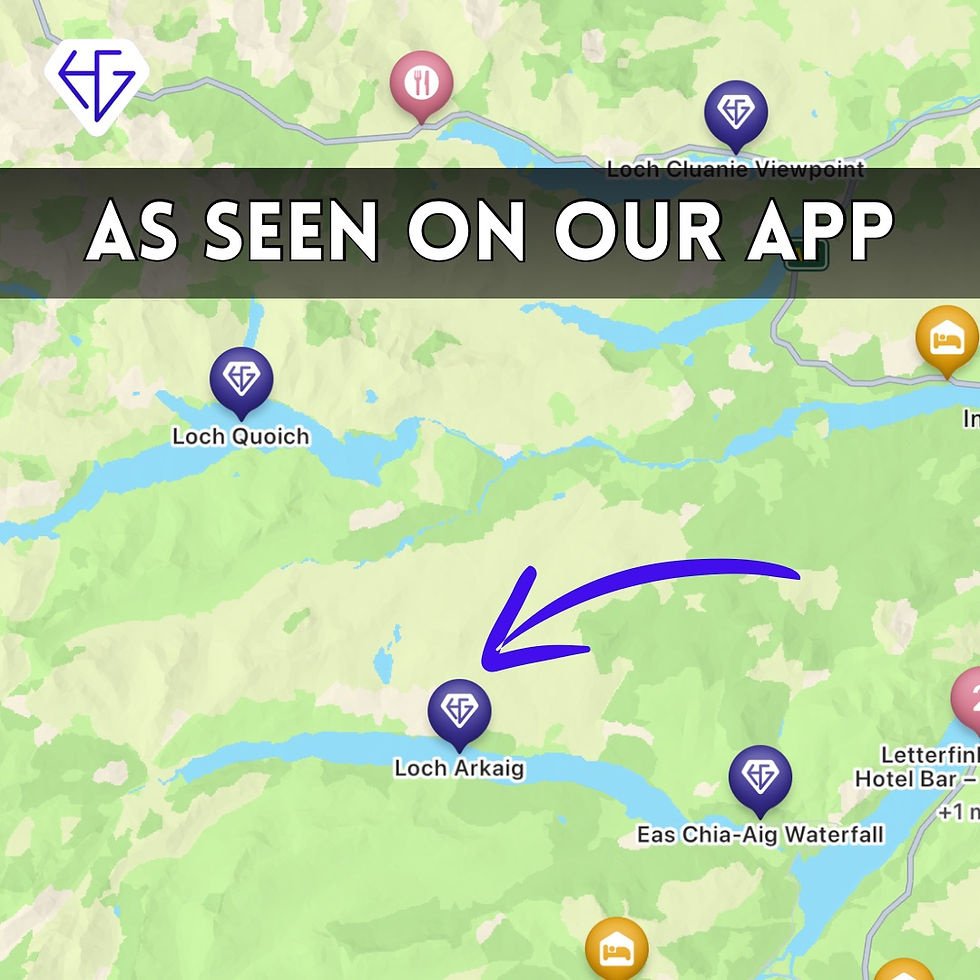
5) Loch Quoich
Loch Quoich lies deep in the wild country north of Invergarry, its waters stretching like a silver blade through rugged hills. Created partly by a dam, the loch retains a natural appearance, blending with the surrounding peaks. Its setting feels untouched, where silence hangs heavy over the expanse.
The air carries the sharp scent of heather and wet stone, mingling with the freshness of Highland breezes. On calm days, the surface becomes a flawless mirror, reflecting jagged ridgelines above.
Exploring the shoreline, you find quiet coves where pebbles crunch underfoot and dragonflies hover above the reeds. The loch often shifts in mood, one moment tranquil, the next whipped by sudden winds. Small inlets invite pauses for reflection, their waters shimmering with changing light.
In summer, wildflowers brighten the banks, adding splashes of colour to the muted greens and browns. Every bend in the loch reveals another vista, often framed by peaks that seem to watch silently from afar.
Loch Quoich rarely appears on tourist itineraries, making it a haven for those who value solitude. The road to the dam allows easy access, but beyond it the loch stretches into remote territory.
FAQs/Things to know when visiting Loch Quoich
Q1: Why is Loch Quoich sometimes overlooked by travellers?
Loch Quoich is often missed because it lies off the main tourist routes and lacks visitor facilities. Its remote position requires extra effort, but that is precisely what makes it special. The loch’s seclusion ensures an experience of true wilderness. For travellers seeking authenticity, this hidden quality is its greatest strength.
Q2: Is the road to Loch Quoich suitable for all vehicles?
The road to the loch, particularly towards the dam, is single-track but generally passable by standard cars. Drivers should take care with passing places and be patient with local traffic. While it may feel narrow at times, the journey is part of the adventure. The road’s remoteness also keeps the area peaceful.
Q3: Can you swim in Loch Quoich?
Yes, wild swimming is possible in Loch Quoich, though the water is often cold even in summer. Swimmers should take safety precautions and be mindful of changing weather conditions. The loch’s size and remoteness mean there are no lifeguards or facilities. For those who enjoy wild swimming, the experience can be exhilarating and unforgettable.


6) Loch Shiel
Loch Shiel stretches for nearly twenty miles, bordered by steep hills and ancient woodlands, making it one of Scotland’s most striking waters. It lies south of Glenfinnan, where a monument stands to honour the Jacobite clans who once gathered there.
The loch is long and narrow, with a surface that often gleams silver under changing skies. Highland scenery surrounds it on every side, creating a powerful sense of drama. Standing on its banks, you feel history and legend blending seamlessly with the natural beauty.
Walking along its shores, you notice the call of ospreys overhead and the rustle of deer moving through birch thickets. The loch’s length makes it feel almost like a fjord, stretching into the distance with endless promise.
In spring, bluebells carpet the woods, their fragrance drifting on the breeze. Summer brings long days of golden light that linger over the water. Each season paints the loch differently, ensuring no two visits ever feel the same.
Loch Shiel remains relatively untouched, with little development along its vast expanse. Boat trips from Glenfinnan allow visitors to explore further, gliding past wooded islands and remote inlets.
FAQs/Things to know when visiting Loch Shiel
Q1: What historical significance does Loch Shiel hold?
Loch Shiel is closely tied to Jacobite history, with the Glenfinnan Monument marking the start of Bonnie Prince Charlie’s campaign in 1745. This link makes it an important site for those interested in Scotland’s past. The surrounding landscape feels unchanged, enhancing the sense of stepping into history.
Q2: Are boat trips available on Loch Shiel?
Yes, boat trips depart from Glenfinnan, offering scenic journeys along the loch’s length. These trips highlight hidden bays, islands, and wildlife, giving a perspective impossible to see from land. Guides often share stories about the history and ecology of the area. The experience provides both relaxation and insight into this extraordinary Highland loch.
Q3: What wildlife can be spotted around Loch Shiel?
Loch Shiel is home to ospreys, golden eagles, and a range of other bird species. Red deer roam the surrounding hills, while otters can sometimes be glimpsed along the shoreline. The loch’s remoteness helps preserve habitats for these creatures. Wildlife enthusiasts will find every visit rewarding, no matter the season.


7) Loch Morar
Loch Morar lies on the western edge of the Highlands, close to the fishing village of Mallaig, and is Britain’s deepest freshwater loch. Its dark waters plunge to over 1,000 feet, creating an aura of mystery that has long fuelled local legends.
The loch stretches for eleven miles, winding through rugged hills and wooded shores. From its banks, you can look out towards the islands of Rum and Eigg on clear days. The sense of vastness is powerful, making it one of the Highlands’ most hauntingly beautiful waters.
Walking along the shoreline, you hear the gentle lap of waves mingling with the call of seabirds overhead. Streams tumble down steep slopes, feeding the loch with fresh mountain water.
The air is tinged with salt from the nearby coast, adding a unique sharpness. On quiet evenings, the surface often turns glassy, reflecting the setting sun in shades of gold and crimson. It feels like a place where land and sea meet in a delicate balance.
Loch Morar is not only remarkable for its depth but also for its remoteness, with very little development along its length. Small boats occasionally cross its waters, but most of the loch remains untouched and silent.
FAQs/Things to know when visiting Loch Morar
Q1: Why is Loch Morar famous?
Loch Morar is known for being the deepest freshwater loch in Britain, with depths exceeding 1,000 feet. It also carries legends of a monster called Morag, said to inhabit its waters. Beyond myths, it is celebrated for its untouched beauty and dramatic setting. This combination of natural wonder and folklore makes it truly memorable.
Q2: Can you swim in Loch Morar?
Yes, wild swimming is possible, but the loch’s great depth means the water stays very cold throughout the year. Swimmers should be cautious, especially as the remote location means there are no lifeguards or facilities. For those prepared, the experience can be exhilarating and refreshing. The views from the water are breathtaking, adding to the sense of adventure.
Q3: How do you get to Loch Morar?
Loch Morar is reached via the small village of Morar, near Mallaig on Scotland’s west coast. From the village, roads and paths provide access to parts of the loch. Its remote position means fewer visitors, adding to the sense of discovery. The journey itself, often through dramatic Highland scenery, is part of the appeal.


8) Loch an Eilein
Tucked within the Rothiemurchus Forest near Aviemore, Loch an Eilein is one of the most enchanting lochs in the Cairngorms. At its centre lies a small island crowned with the ruins of a medieval castle, giving it a fairy-tale quality.
The surrounding pine forest, remnants of the ancient Caledonian woodland, creates a sheltered atmosphere. The loch is small compared to others, but its charm lies in its intimacy. Every corner feels steeped in history and natural beauty.
Walking the path around the water, you hear the crunch of pine needles underfoot and the chatter of red squirrels overhead. Dragonflies dart across the surface in summer, while ducks paddle quietly near the shore.
The castle ruin stands as a romantic silhouette, especially when mist rises from the water. In winter, the loch often freezes, turning the scene into a snowy wonderland. Each season transforms the landscape, offering endless variety for visitors.
Loch an Eilein is easily accessible yet feels wonderfully secluded once you step onto its paths. It is popular with walkers, families, and photographers, all drawn to its magical setting.
FAQs/Things to know when visiting Loch an Eilein
Q1: What makes Loch an Eilein unique?
The loch is unique for its island castle ruin, which gives it a distinctive and romantic character. Surrounded by ancient Caledonian forest, it feels like stepping into another world. Its small size allows easy exploration while still providing a sense of wilderness. This combination of history and nature makes it stand out among Highland lochs.
Q2: Is Loch an Eilein suitable for families?
Yes, families often enjoy the circular walk around Loch an Eilein, which is about three miles long. The trail is relatively gentle, making it suitable for children and older visitors. Along the way, there are plenty of opportunities for wildlife spotting and picnics. The setting provides both adventure and safety, appealing to all ages.
Q3: How do you reach Loch an Eilein?
The loch is located within Rothiemurchus Estate near Aviemore, easily reached by car or public transport to the village. From there, signs guide visitors to the loch and its car park. Its accessibility makes it a convenient day trip from Aviemore. Despite this, it still feels far removed from the bustle of modern life.


9) Loch Hourn
Loch Hourn cuts deep into the west coast, often described as a sea loch with the character of a Highland fjord. Its name means “Loch of Hell,” reflecting the wild weather that can sweep through its narrow waters. Steep mountains plunge dramatically to the shoreline, where waves crash against dark rock.
The loch stretches inland, twisting through rugged valleys that seem untouched by time. The atmosphere here is raw and elemental, a reminder of nature’s untamed strength.
Walking its edges, you find small crofts and scattered ruins that tell of a once larger population. Today, silence dominates, broken only by seabirds wheeling above or the splash of a seal surfacing.
The light constantly shifts, turning the water from steel grey to shimmering silver within minutes. Mist often rolls in from the sea, wrapping the mountains in a cloak of mystery. Every view along the loch feels cinematic, vast and dramatic.
Loch Hourn is reached only by narrow roads and paths, which adds to its isolation. The journey itself feels like entering a forgotten corner of Scotland.
FAQs/Things to know when visiting Loch Hourn
Q1: Why is Loch Hourn compared to a fjord?
Loch Hourn is often likened to a fjord because of its steep sides and long, narrow shape. The surrounding mountains rise directly from the water, creating dramatic scenery. Its tidal waters add to the sense of scale and movement. This combination gives it a unique character compared to inland lochs.
Q2: Is Loch Hourn easy to access?
Access to Loch Hourn is limited, with single-track roads leading into the area and few facilities nearby. This remoteness is part of its charm, keeping visitor numbers low. Travellers should be prepared for narrow roads and long drives. The reward is an experience of genuine solitude and wild beauty.
Q3: Can wildlife be seen around Loch Hourn?
Yes, Loch Hourn is rich in wildlife, from seals and otters in the water to golden eagles above the cliffs. The surrounding hills support red deer, often seen grazing at dawn and dusk. Seabirds thrive along the loch, making it popular with birdwatchers. This biodiversity adds to the loch’s appeal for nature enthusiasts.

10) Loch Monar
Hidden in the heart of the Highlands, Loch Monar is a vast reservoir surrounded by towering mountains. It lies far from main roads, reached only by long walks or estate tracks. The loch’s remote location ensures an experience of true wilderness.
Water levels shift with the dam, creating ever-changing shorelines that reveal new shapes with each visit. The surrounding Munros stand like guardians, casting shadows across the surface.
Exploring here, you find silence so complete that even the softest breeze feels loud. The slopes are carpeted with heather and moss, and streams pour down in silver ribbons after rain.
On bright days, the water gleams blue, while in stormy weather it darkens to almost black. Deer move quietly along the ridges, often visible from far below. Every turn of the path offers sweeping views of mountain and water together.
Loch Monar is not a casual stop but a destination for those seeking adventure and solitude. Its sheer size and remoteness make it one of the Highlands’ most hidden gems.
FAQs/Things to know when visiting Loch Monar
Q1: Why is Loch Monar considered remote?
Loch Monar is far from towns or main roads, accessible only by long estate tracks or multi-day walks. This remoteness keeps visitor numbers extremely low. The effort required adds to its sense of wilderness and seclusion. It is a place where travellers feel far removed from modern life.
Q2: Can you camp near Loch Monar?
Yes, wild camping is possible around Loch Monar, but visitors should follow Scotland’s outdoor access code. The remoteness means campers must be self-sufficient, carrying supplies and leaving no trace. The reward is camping in a stunning landscape of water and mountain. Few places offer such peace under star-filled Highland skies.
Q3: What activities can you do at Loch Monar?
Visitors mainly come for walking, climbing surrounding peaks, or simply enjoying the solitude. Photography is especially rewarding due to the dramatic light and vast scenery. Angling is also possible with the right permissions. Above all, the loch is valued for the experience of unspoiled Highland wilderness.


The hidden lochs of the Scottish Highlands reveal a quieter, more intimate side of this wild landscape. Each loch tells its own story, from the myths of Morag in Loch Morar to the castle ruins of Loch an Eilein, and from the fjord-like drama of Loch Hourn to the seclusion of Loch Monar.
These waters are more than scenic backdrops; they are living places filled with wildlife, history, and atmosphere.
To visit them is to step into a world where time slows, and nature’s rhythms take precedence over modern life. Unlike the busier tourist spots, these lochs invite reflection, offering peace beneath shifting skies and on shores scented with pine, heather, and salt.
Whether you come for walking, photography, fishing, or simply stillness, each loch rewards with its own unique character. Together, they form a tapestry of beauty that captures the very soul of the Highlands.
Download the official APP!
Gain access to over 1,600 hidden gems and their co-ordinates all over the UK when you download our app. Add gems to your bucket-list and tick them off as you go along, as well as earn rewards/badges when you visit a certain amount.



Comments