
10 Hidden Restaurants in London Locals Swear By

London’s food scene is a dazzling mix of the old and the unexpected, but behind the bustle of famous eateries lies a quieter world of secret gems locals keep close to their hearts.
These hidden restaurants aren’t found on flashy tourist lists; they’re tucked behind unmarked doors, down cobbled lanes, or beneath busy streets where only those in the know venture.
Each one has its own story, shaped by passionate chefs and a love for authentic flavours. From cosy cellars filled with candlelight to rooftop hideaways offering skyline views, these spots remind visitors that London’s real magic often hides in plain sight.
This guide uncovers ten secret restaurants in London that locals swear by. You’ll discover tucked-away Italian kitchens where the pasta is hand-rolled each morning, speakeasy-style dining rooms that feel like time capsules, and experimental food dens where innovation thrives.
Whether you’re after romance, adventure, or pure comfort food, each of these places will give you a true taste of London’s hidden side, one delicious secret at a time.

1) The Palomar Cellar, Soho
Hidden beneath the lively streets of Soho, The Palomar Cellar feels like a secret meeting place for those who love warmth, wine, and the hum of quiet conversation.
The entrance is easy to miss, marked only by a single brass handle and a flicker of candlelight through frosted glass. Inside, the scent of roasted aubergine, lemon, and smoked paprika fills the air as jazz plays softly in the background.
The low ceilings, exposed brick, and flickering candles create a sense of intimacy that makes every meal feel personal. Locals adore it not just for the Mediterranean-inspired dishes but for its unhurried rhythm, where time seems to pause with each sip of wine.
The menu changes weekly, celebrating seasonal produce from Borough Market and small English farms. Guests might find slow-cooked lamb shoulder one week and saffron risotto the next, all bursting with rich, layered flavours.
The staff remember faces, suggesting wines like old friends sharing stories. It’s a space for long evenings, where laughter drifts between tables and the city outside feels far away. The Palomar Cellar is more than a restaurant; it’s a whispered secret that locals are reluctant to share.
FAQs/Things to know when visiting The Palomar Cellar, Soho
1. Where is The Palomar Cellar located in London?
The Palomar Cellar is tucked away in Soho, one of London’s most vibrant neighbourhoods known for its creative energy and nightlife. You’ll find it hidden beneath street level, accessible only through a discreet entrance. This secretive spot adds to its charm and makes it one of London’s best-kept dining secrets.
2. What kind of food does The Palomar Cellar serve?
The restaurant focuses on modern Mediterranean cuisine, blending influences from Spain, Israel, and North Africa. Every dish celebrates fresh, seasonal ingredients sourced locally whenever possible. Diners can expect bold, smoky flavours and colourful plates that perfectly capture London’s multicultural food scene.
3. Do I need a reservation for The Palomar Cellar?
Yes, reservations are highly recommended as seating is limited and the restaurant fills up quickly, especially on weekends. Locals tend to book weeks in advance to secure a table. Walk-ins are sometimes possible, but only during quieter weekday evenings.


2) Luca’s Courtyard Kitchen, Clerkenwell
Tucked behind a line of Georgian buildings, Luca’s Courtyard Kitchen is one of Clerkenwell’s most treasured dining spots.
You enter through a narrow passageway, suddenly opening up to a peaceful garden filled with climbing ivy and the scent of rosemary. Lanterns glow softly as evening falls, creating a calm space far removed from London’s rush.
The kitchen focuses on Italian-British fusion, pairing homemade pastas with ingredients grown in the restaurant’s rooftop garden. Locals love the intimate setting and the quiet pride of a place that feels like home.
Inside, soft jazz mingles with the gentle clink of glasses and the aroma of truffle butter. Handmade tagliatelle melts into a sauce of porcini mushrooms, while crispy seabass is served with lemon and sage.
Each dish tells a story of craftsmanship and patience, where nothing feels rushed or artificial. The service is warm but unpretentious, the kind that feels genuine rather than rehearsed. Luca’s Courtyard Kitchen captures the essence of slow dining, where flavour and friendship take centre stage.
FAQs/Things to know when visiting Luca’s Courtyard Kitchen, Clerkenwell
1. What type of cuisine does Luca’s Courtyard Kitchen offer?
The restaurant serves refined Italian-British fusion cuisine, focusing on seasonal ingredients and homemade pastas. Dishes are prepared fresh each day using produce from the restaurant’s rooftop garden. This attention to detail gives every meal a farm-to-table freshness that makes it stand out in London’s food scene.
2. Is Luca’s Courtyard Kitchen suitable for outdoor dining?
Yes, its charming courtyard offers one of the most peaceful outdoor dining experiences in Clerkenwell. With climbing vines, soft lighting, and fragrant herbs, it’s especially beautiful in the summer months. Many locals choose this spot for quiet romantic dinners or small celebrations.
3. Does the restaurant cater to dietary requirements?
Absolutely, the team is attentive to vegetarian, vegan, and gluten-free requests. They take care to adapt dishes without compromising on flavour or presentation. Guests often praise the staff’s helpfulness and ability to craft personalised meals.


3) The Shed, Notting Hill
Slip off Notting Hill Gate and you will find The Shed humming with the easy rhythm of a neighbourhood that eats well.
Inside, reclaimed wood and jars of pickles hint at the farm roots behind the menu, and the room smells of herbs, butter, and grill smoke.
The Gladwin brothers built their name on Local and Wild cooking, so plates feel seasonal, spirited, and sure of themselves. A server might suggest a glass that tastes of hedgerow fruit, or a cocktail scented with garden thyme. The atmosphere stays friendly and lively, with couples sharing small plates while the kitchen works at pace.
Food here is generous in flavour rather than heavy in style, with game, veg, and British cheeses showing up in bold but balanced ways. A chalkboard lists what is freshest, and there is joy in not overthinking it.
Sit at the bar for a view of the action, or take a cosy table and let the evening stretch. The Shed rewards curiosity with honest cooking and a warm welcome. It feels like the London many locals hope you will find.
FAQs/Things to know when visiting The Shed, Notting Hill
Where exactly is The Shed and how do I book?
The Shed is a short walk from Notting Hill Gate station on Palace Gardens Terrace, making it easy for West London diners. You can reserve online through the official website or try for limited walk-ins at quieter times. Booking ahead is wise for Friday and Saturday nights in Notting Hill.
What style of food should I expect at The Shed?
Expect seasonal British cooking rooted in the Gladwin brothers’ Local and Wild ethos. Menus change often, but small plates and a tasting option keep things interesting for regulars. It is a relaxed way to explore UK produce without leaving the neighbourhood.
Is The Shed suitable for groups?
Yes, there is a convivial bar area and a dedicated Butcher’s Table that suits celebrations. The staff are used to sharing menus and will guide you through portions for larger parties. For peak weekend slots, groups should reserve well in advance.


4) 40 Maltby Street, Bermondsey
Hidden in the warehouse home of Gergovie Wines, 40 Maltby Street feels like a delicious secret shared at long wooden counters. Candles flicker against brick walls, and the menu sits on a chalkboard that changes as quickly as the seasons.
You taste the kitchen’s trust in its suppliers with every bite of salty anchovy toast or silky terrine.
Bottles line the room, and staff pour natural wines with the calm confidence of people who drink what they sell. The mood is intimate and lively, the kind of place where conversations roll gently into the evening.
There are no reservations, so turning up early becomes part of the ritual. Lunch hours are gentle and bright, while dinner brings a deeper buzz under the arches. Plates arrive looking simple and taste quietly perfect, each one trimmed of fuss.
When you leave, you carry the memory of good wine, neat cooking, and London at street level. It is a place you will think about on the way home and plan to return to soon.
FAQs/Things to know when visiting 40 Maltby Street, Bermondsey
Do they take bookings at 40 Maltby Street?
They do not, which keeps the experience informal and neighbourly. Arrive at the start of service to avoid a wait, especially on Fridays and Saturdays. The no-reservations policy is clearly stated on the restaurant’s own site.
What is the menu like at 40 Maltby Street?
The menu is short, seasonal, and written on a chalkboard that changes through the week. Expect European flavours handled with restraint and skill. The approach suits the natural wine list and the relaxed warehouse setting.
Is it good for a solo meal?
Yes, counter seating and friendly service make solo dining easy. Staff are happy to suggest half glasses and plates that pair well. It is a calm way to enjoy Bermondsey’s arches without rushing.


5) Casse-Croûte, Bermondsey
On Bermondsey Street, this tiny French bistro looks like a postcard with checked cloths, handwritten menus, and the glow of a neighbourhood living room.
The door opens and the air changes, filling with butter, garlic, and the soft clatter of plates. Tables are tucked close, so you catch snatches of French and local chat as dishes sail past.
The menu is brief and classic, the kind that trusts fine ingredients and steady hands. It is an easy place to fall for, the sort of room that makes London feel like a village.
Plates arrive with quiet confidence: a rosy duck breast, a wobbling crème caramel, a green salad with mustard that bites gently. Wines are poured with a smile and a suggestion, and the pace encourages conversation rather than hurry.
Lunch stretches, dinner glows, and regulars greet the team by name. If you blink you could miss it from the street, which only adds to the charm. Casse-Croûte proves that small rooms can hold very big memories.
FAQs/Things to know when visiting Casse-Croûte, Bermondsey
How do I book Casse-Croûte and when are they open?
Reservations are taken by phone, and there is often space for walk-ins at lunch on weekdays. Lunch runs daily from noon, with dinner Monday to Saturday from 6 pm. The official site lists the current hours and today’s menu.
What kind of dishes are typical at Casse-Croûte?
Expect a short, classically French menu that changes often, featuring bistro favourites and rich desserts. The kitchen focuses on flavour over fuss, which suits the tiny room. It is ideal for people who love proper French cooking in a cosy setting.
Is Casse-Croûte suitable for special occasions?
Yes, the room is intimate and romantic, perfect for an anniversary or quiet celebration. Limited seating means you should book ahead for weekend evenings. The service style is friendly and personal, which makes the night feel special.

6) Andrew Edmunds, Soho
Behind a modest eighteenth-century townhouse on Lexington Street sits Andrew Edmunds, a candlelit Soho classic that locals treat like an open secret.
The room is lined with black-painted wood and vintage prints, and the air carries the scent of roast duck and red wine. The crowd is a mix of journalists, artists, and people who still believe dinner should feel romantic.
There’s nothing flashy, just charm, good conversation, and a handwritten wine list that could double as literature. Every candle flickers over linen and laughter, reminding you how beautiful simplicity can be.
The menu follows the rhythm of the seasons, with dishes such as lamb rump with salsa verde or confit rabbit on toasted sourdough. Portions are hearty and unfussy, and the food always lands somewhere between comfort and elegance. The staff know their cellar well and help you find a bottle that won’t break the bank.
The room is small, so time seems to slow once you’re seated. Andrew Edmunds feels like a love letter to the old Soho that Londoners still miss.
FAQs/Things to know when visiting Andrew Edmunds, Soho
Where is Andrew Edmunds located and how can I reserve a table?
Andrew Edmunds sits at 46 Lexington Street, a short walk from Carnaby Street and Oxford Circus. Reservations can be made directly through the restaurant’s website or by phone. Because the dining room is compact, bookings for weekends should be made at least a week ahead.
What type of food does Andrew Edmunds serve?
The kitchen serves seasonal British and European dishes with a focus on flavour and balance. Menus change weekly, showcasing meats, fish, and fresh produce from UK farms. It’s classic London bistro cooking, simple, satisfying, and beautifully executed.
Is Andrew Edmunds suitable for date nights?
Yes, its candlelit tables and relaxed atmosphere make it one of the most romantic hidden restaurants in Soho. Many locals choose it for anniversaries or first dates. The soft lighting and close seating create a quietly intimate mood.


7) Noble Rot, Bloomsbury
Tucked into a Georgian townhouse on Lamb’s Conduit Street, Noble Rot feels like stepping into a writer’s wine club that happens to serve exceptional food.
The bar glows with brass and soft laughter, while the dining room hums with quiet confidence. Rows of bottles line the walls, each one chosen by people who truly care about what’s inside.
The scent of butter, yeast, and good Burgundy hangs in the air. It’s the sort of place that converts even the most hesitant visitor into a regular.
The cooking leans modern British with a French accent, think turbot with seaweed butter or chicken with morels and vin jaune. Every dish is designed to pair effortlessly with the wines, and staff guide you through the list with enthusiasm, not snobbery.
The service strikes a balance between expert and relaxed, matching the tone of the food. Evenings linger here, with glasses clinking softly as the city fades outside. Noble Rot proves that good taste doesn’t have to be loud to be memorable.
FAQs/Things to know when visiting Noble Rot, Bloomsbury
What is Noble Rot known for?
Noble Rot is celebrated for its world-class wine list and precise, comforting British-European menu. The founders also publish a respected wine magazine that reflects their deep passion for the craft. Together, the food and wine make it a Bloomsbury landmark for genuine enthusiasts.
Can I just visit for drinks?
Yes, the front bar welcomes walk-ins for glasses and small snacks. It’s an ideal way to sample the wines without committing to a full meal. Locals often pop in after work for a quick glass of something rare or remarkable.
Do they cater to dietary needs?
They do; the kitchen accommodates vegetarian and gluten-free preferences when notified in advance. Menus are flexible thanks to their seasonal approach. It’s best to mention dietary requirements when booking to ensure a seamless experience.

8) Sessions Arts Club, Clerkenwell
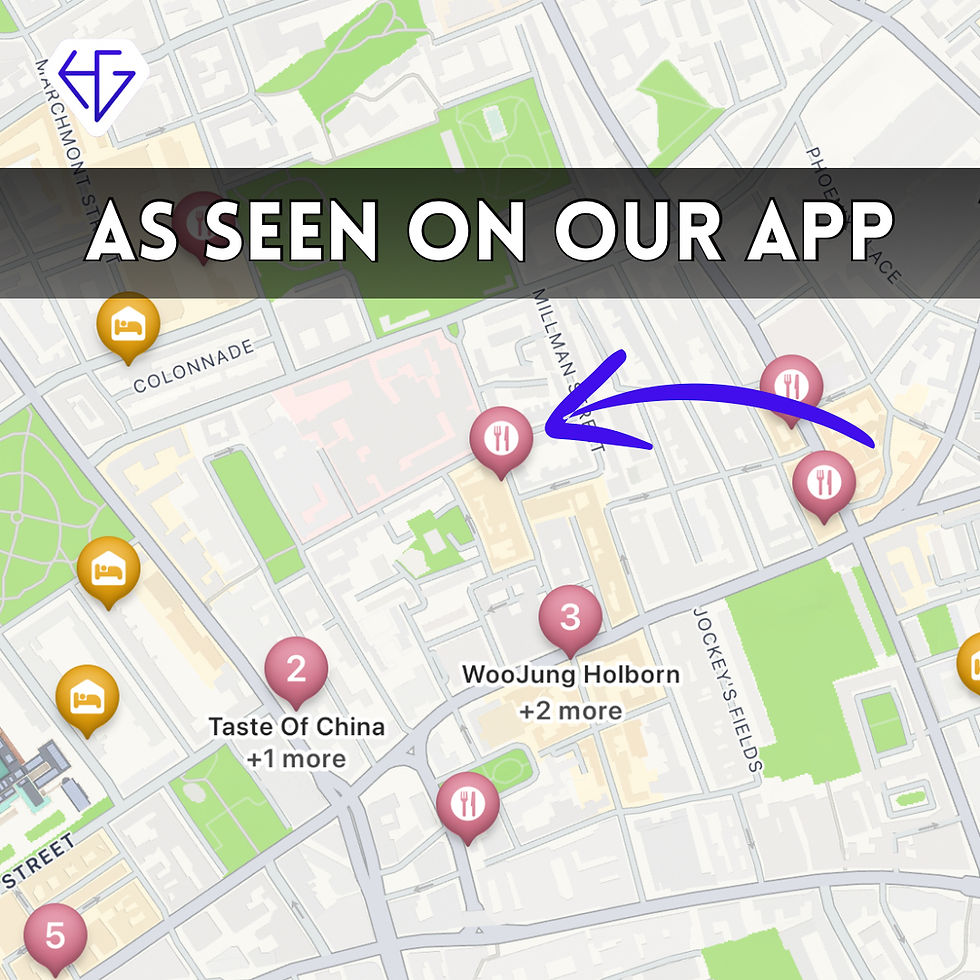
Inside a converted nineteenth-century courthouse, Sessions Arts Club hides behind an unmarked door on Clerkenwell Green.
You enter through a discreet archway, climb a grand staircase, and step into one of London’s most breathtaking dining rooms.
Cracked plaster, tall windows, and candles create a dreamlike blend of decay and elegance. The sound of soft jazz and gentle chatter fills the space. It feels like stepping into a film; romantic, mysterious, and wholly unique.
Chef Florence Knight’s menu changes daily, built around simplicity, balance, and seasonal British ingredients. Dishes like sea bass crudo, lamb with anchovy, or fig tart are presented with quiet confidence.
Every detail feels considered yet natural, from the ceramics to the art-covered walls. Service is warm but unhurried, allowing the space itself to do much of the talking. Sessions Arts Club isn’t just a restaurant; it’s a modern masterpiece of atmosphere and taste that locals are proud to whisper about.
FAQs/Things to know when visiting Sessions Arts Club, Clerkenwell
How do I find Sessions Arts Club?
Sessions Arts Club is located inside an old courthouse on Clerkenwell Green, though the entrance is intentionally discreet. Look for the black doorway marked only by a small plaque. The hidden approach is part of the restaurant’s charm and allure.
What kind of menu does Sessions Arts Club offer?
The menu is modern European with a focus on seasonal British produce. It changes frequently, reflecting the availability of fresh ingredients. Each dish balances simplicity and elegance, making every visit a little different.
Is Sessions Arts Club suitable for special occasions?
Absolutely, its grand setting and refined menu make it ideal for anniversaries, birthdays, or romantic dinners. The beautiful interiors and candlelit atmosphere create a lasting impression. Many guests describe it as one of the most cinematic dining experiences in London.


9) Brat, Shoreditch
Tucked above a pub on Redchurch Street, Brat doesn’t shout for attention, but London food lovers know its quiet brilliance.
The glow of the open fire warms the room, casting soft light on bare wood tables and bottles of wine lined against the wall. The scent of oak smoke, seafood, and butter greets you before you sit down.
Chef Tomos Parry built Brat on the Basque idea of simplicity, letting fire and time do the talking. You can hear the gentle hiss of turbot roasting on the grill and the hum of satisfied conversation rising around it.
The food feels confident but unpretentious: wood-roasted whole fish, grilled leeks with almond sauce, and bread so good it barely needs butter. Wines lean natural and thoughtful, chosen to match the restaurant’s elemental spirit.
The pace is steady, the service friendly, and the atmosphere has that rare mix of excitement and calm. Even in busy Shoreditch, Brat feels like an escape from noise and haste. It’s a place for people who want to eat with focus and heart.
FAQs/Things to know when visiting Brat, Shoreditch
What kind of food does Brat serve?
Brat specialises in Basque-inspired cooking centred around wood-fire grilling. Signature dishes include whole turbot, aged beef, and seasonal vegetables cooked over open flames. Its simplicity and precision have earned it a Michelin star and a devoted local following.
Is Brat good for groups or special occasions?
Yes, the upstairs layout allows for both intimate tables and small group gatherings. The menu suits sharing, making it ideal for celebrations. For larger bookings, the restaurant recommends reserving well ahead due to limited seating.
Do they offer vegetarian options at Brat?
They do, including seasonal dishes like coal-roasted cauliflower and grilled asparagus. Vegetarian guests often praise the creativity of the vegetable-focused sides. While seafood and meat feature prominently, the menu remains flexible and inclusive.

10) The Marksman, Hackney
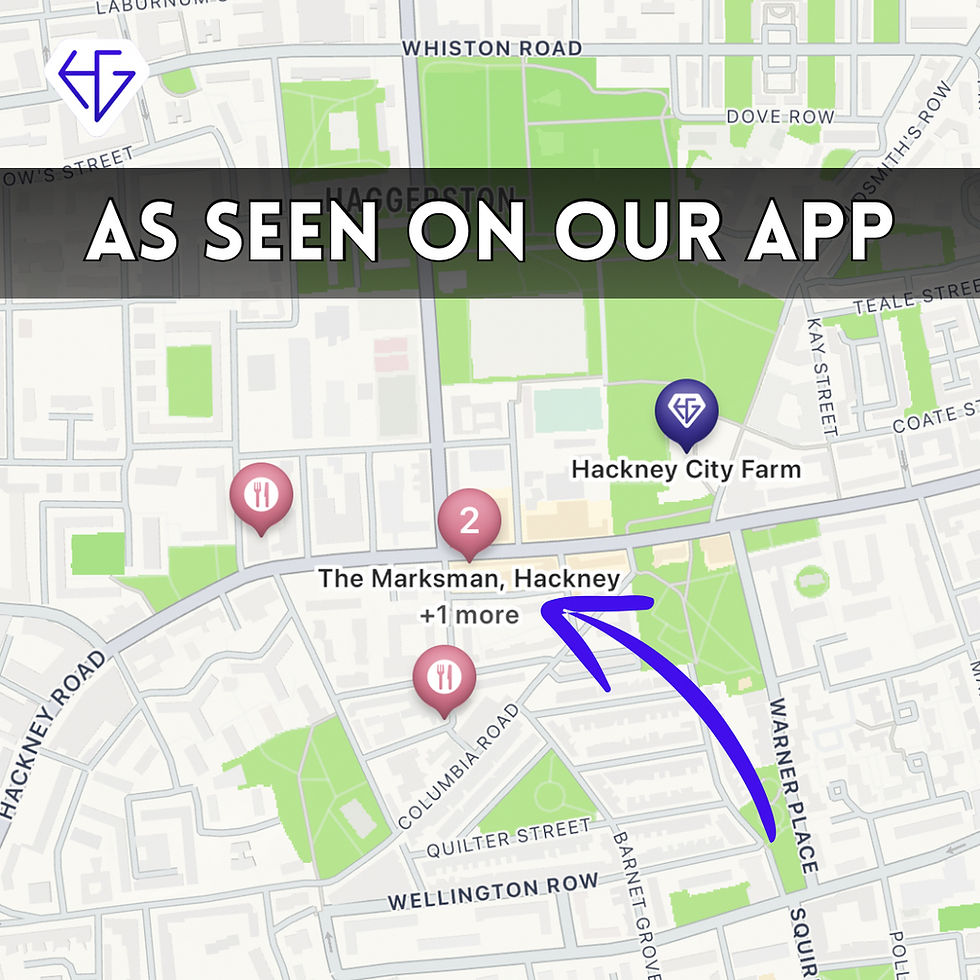
On Hackney Road stands The Marksman, a Victorian pub that hides one of London’s most respected kitchens upstairs.
The ground floor looks like a traditional East End pub, complete with polished wood and soft amber light. Climb the stairs, and you find a calm dining room where white walls and large windows fill the space with quiet charm.
The hum of the street below fades, replaced by the sound of plates and laughter. Locals love it because it still feels like a proper pub, just one that serves food you’ll remember for weeks.
The menu updates British classics with precision and warmth. The beef and barley bun is legendary, and the pies are worth travelling for. Ingredients are seasonal, and the flavours are deep, confident, and comforting.
Sunday lunch brings golden roast meats and perfect puddings, drawing families and food critics alike. The Marksman captures London’s heart, where history and good food meet in one timeless room.
FAQs/Things to know when visiting The Marksman, Hackney
What type of food does The Marksman serve?
The Marksman focuses on refined British pub cooking made with local and seasonal produce. Famous dishes include its beef and barley bun and rich Sunday roasts. It’s a true example of how London’s pub scene can deliver fine dining without pretension.
Do I need to book The Marksman in advance?
Reservations are recommended, especially for weekend lunches or evenings. The dining room is small, and locals fill it quickly. Book via their website or call ahead to avoid missing a table.
Is The Marksman suitable for families?
Yes, the friendly atmosphere and hearty menu make it great for relaxed family meals. The staff are accommodating and can adjust dishes for younger diners. Sundays in particular are popular with families enjoying traditional roasts.

London rewards those who explore quietly, and these ten restaurants prove that the best meals often hide just out of sight.
From the Basque smoke of Brat to the candlelit warmth of Andrew Edmunds, each of these places has earned its reputation through craft, care, and character. They’re the rooms where Londoners linger late, where flavours are unforced, and where hospitality feels personal rather than polished.
You’ll find innovation in unexpected corners, wine poured with a smile in Noble Rot, wood-fired brilliance at The Dairy, or grand romance in Sessions Arts Club.
These are not chain names or tourist traps; they’re part of the living fabric of the city, cherished by those who know. Visiting them means tasting London beyond its guidebooks, a capital defined by curiosity, culture, and constant reinvention.
So take a side street, follow a whisper, and let the city surprise you. The next unforgettable meal might be hidden behind an unmarked door, waiting just for you.
Download the official APP!
Gain access to over 1,600 hidden gems and their co-ordinates all over the UK when you download our app. Add gems to your bucket-list and tick them off as you go along, as well as earn rewards/badges when you visit a certain amount.



Comments