
10 BEST Secret Waterfalls in the Lake District

The Lake District is famous for its dramatic fells, glassy lakes, and quaint stone villages, but hidden among its rugged valleys are waterfalls that many visitors never discover.
While the well-known cascades attract large crowds, tucked away in mossy ravines and shaded woodlands lie secret falls where you can enjoy the sound of rushing water in near solitude.
These secluded treasures feel like stepping into another world, where the air is cool and damp with spray, and sunlight filters through trees to dance across the rocks. Exploring them is not only about the destination but also the journey, as many require gentle hikes through ancient woodland or along sheep tracks that reveal sweeping mountain views.
Each waterfall has its own character, from narrow ribbons of silver dropping into deep pools to wide cascades tumbling over craggy ledges. Visiting these hidden gems is a way to experience the Lake District beyond the guidebook.
They offer moments of stillness, natural beauty, and even a touch of adventure. Whether you are a photographer seeking the perfect shot or a walker looking for somewhere to pause, these waterfalls will reward your effort.

1) Ritson’s Force
Tucked behind the village of Wasdale Head, Ritson’s Force hides in a rocky gorge where the River Mosedale flows.
The walk to reach it is gentle yet dramatic, with views of towering Scafell Pike guiding your way.
As you approach, the sound of rushing water begins to echo against the valley walls. The waterfall itself splits into several streams, spilling over dark stones like threads of silver. Surrounded by ferns and heather, the scene feels like a painting.
The water gathers in clear pools that invite tired walkers to dip their feet after a long trek. On a sunny afternoon, the light turns the surface into a mirror that reflects the green slopes around it.
The air here feels cooler, filled with the earthy scent of moss and the constant spray of the falls. Sheep often graze on the edges of the path, adding to the pastoral charm. Despite its beauty, few visitors take the detour to find it, keeping it wonderfully quiet.
In the evenings, the falls soften into a tranquil murmur, making it a place for reflection. The sense of seclusion is striking, especially considering how close it lies to one of the busiest mountain areas.
FAQs/Things to know when visiting Ritson’s Force
Q1: How do you reach Ritson’s Force from Wasdale Head?
You can reach Ritson’s Force by following the path from the Wasdale Head Inn towards Mosedale. The walk is short and straightforward, making it suitable for most visitors. Good walking shoes are recommended, as the ground near the waterfall can be wet and uneven. The journey itself offers beautiful views of Scafell Pike, adding to the experience.
Q2: Is Ritson’s Force suitable for swimming?
Ritson’s Force has pools that may look tempting for a dip, but swimming is not widely encouraged here. The water is very cold, even in summer, and currents can sometimes be stronger than they appear. Most visitors enjoy paddling or resting by the edge rather than swimming.
Q3: What makes Ritson’s Force a secret waterfall?
Although it lies close to popular walking routes, Ritson’s Force is often overlooked by those heading straight for the fells. Its tucked-away position means fewer crowds, giving it a peaceful atmosphere. Many people stumble upon it by accident, adding to the sense of discovery.


2) Tom Gill Waterfall
Tom Gill Waterfall is found on the path leading down from Tarn Hows, one of the most visited beauty spots in the Lake District.
Yet the fall itself remains something of a secret, hidden beneath a canopy of oak and birch trees. The sound of the water grows steadily louder as you descend, until you finally glimpse the stream tumbling through the woodland. It feels like stepping into a secluded glade, far removed from the crowds above.
The waterfall pours over jagged rocks, breaking into white foam that sparkles in the dappled light. In spring, bluebells carpet the banks, filling the air with colour and fragrance. The path runs close to the stream, giving you several chances to pause and take in the view.
Children often enjoy exploring here, hopping across stepping stones and feeling the cool mist on their skin. Birdsong mixes with the rushing water, creating a soundtrack that makes you linger longer than planned.
What makes Tom Gill so special is the journey it creates between Tarn Hows and Coniston Water.
FAQs/Things to know when visiting Tom Gill Waterfall
Q1: Where exactly is Tom Gill Waterfall located?
Tom Gill Waterfall lies on the beck that flows from Tarn Hows down to Coniston Water. The path follows the water closely, making it easy to find if you know where to look. Many visitors to Tarn Hows miss it because they stay near the tarn itself. To see the waterfall, you need to take the woodland trail that descends with the beck.
Q2: Can you visit Tom Gill Waterfall with children?
Yes, Tom Gill Waterfall is a family-friendly spot that children often enjoy. The path is not too challenging, though it can be muddy in places after rain. There are plenty of natural features, such as stepping stones and shallow pools, that appeal to younger explorers. Parents should keep a close eye near the water, but it makes for an exciting and safe walk overall.
Q3: What time of year is best to see Tom Gill Waterfall?
Tom Gill Waterfall is beautiful throughout the year, with each season bringing something different. Spring brings carpets of wildflowers, while summer offers lush greenery and warm light. Autumn colours are especially striking as golden leaves reflect in the water. In winter, the flow often swells after heavy rain, turning the falls into a dramatic torrent.


3) Scale Force
Scale Force, hidden in a deep gorge near Buttermere, is the highest waterfall in the Lake District.
To reach it, you follow a winding path through ancient woodland and heather-covered slopes. The journey feels adventurous, as if you are uncovering a secret long forgotten. The sound of the water echoes before the falls themselves come into view.
When they finally appear, the sight is breathtaking: a single ribbon of water plunging 170 feet between towering rock walls.
The narrowness of the gorge amplifies the power of the falling water, surrounding you with mist. Moss and lichen cling to the cliffs, creating a vivid contrast of green against the dark stone.
The atmosphere is almost cathedral-like, with the roar of the waterfall replacing silence. Despite its height, the fall feels hidden and intimate, as though it does not want to reveal itself easily. This sense of mystery adds to its allure.
On quiet mornings, shafts of sunlight sometimes pierce the gorge, catching droplets in mid-air like sparks.
FAQs/Things to know when visiting Scale Force
Q1: How tall is Scale Force waterfall?
Scale Force is officially the tallest waterfall in the Lake District, with a drop of around 170 feet. Its height makes it stand out, though the narrow gorge keeps it somewhat hidden. The water falls in a single drop, which adds to the dramatic effect. For many walkers, its scale is far greater than they expect when they arrive.
Q2: Is the walk to Scale Force difficult?
The walk to Scale Force is moderately challenging, depending on the route you choose. The ground can be steep and muddy, especially after rainfall, so sturdy boots are recommended. While the distance is not long, the terrain requires careful footing in places. Families and casual walkers often manage it with patience, making it a rewarding adventure.
Q3: What makes Scale Force unique compared to other waterfalls in the Lake District?
Scale Force’s greatest distinction is its impressive height, but it is the setting that makes it truly memorable. The gorge creates a natural stage where the fall appears hidden until the last moment. The enclosed space means the sound and spray are intense, surrounding you completely. It feels less like a tourist stop and more like stumbling upon nature’s own theatre.


4) Aira Force
While Aira Force is one of the most famous waterfalls in the Lake District, its upper reaches are far quieter and often overlooked.
A short climb beyond the main cascade leads you to a series of smaller, secret falls nestled in deep woodland. Here, the stream dances down mossy steps, framed by overhanging branches and twisted roots. The sound is softer than the main torrent, creating a calmer, more intimate atmosphere. It feels like a private retreat within a busy attraction.
These upper falls are surrounded by carpets of ferns and the sweet scent of wildflowers in summer. In autumn, the leaves scatter the ground with gold and russet, making the scene feel like a hidden fairytale.
Birdsong fills the air, and the occasional squirrel scurries along branches above. Fewer visitors make the climb, so you may find yourself with the place entirely to yourself. This hidden corner shows a gentler side of Aira Beck.
Walking here is a chance to see a different face of a well-known landmark. The upper falls are less photographed, yet they offer just as much beauty as the main cascade.
FAQs/Things to know when visiting Aira Force
Q1: How do you find the hidden upper falls at Aira Force?
To reach the hidden upper falls, follow the trail that continues uphill past the main viewing bridge. The path is less busy but clearly marked, making it straightforward to follow. You will hear the softer cascades before you see them. This walk adds only a short distance but makes the visit feel much more rewarding.
Q2: Are the upper falls quieter than the main Aira Force?
Yes, the upper falls are much quieter than the main Aira Force because most visitors stop at the central viewpoint. This means you can often enjoy them in peace, even during busier times. The smaller scale also creates a more intimate feel, compared with the thunder of the main fall. Many visitors describe it as a hidden pocket of calm.
Q3: Is the walk to the upper falls family-friendly?
The walk is suitable for families, though it involves a steady uphill climb. Paths can be muddy after rain, so good footwear is advised. Children often enjoy the adventure of exploring further and discovering the less obvious waterfalls. The effort is modest, but the sense of discovery makes it worthwhile for all ages.


5) Sourmilk Gill, Seathwaite
Sourmilk Gill flows down from Gillercomb near Seathwaite, a valley that often feels like the heart of the Lake District. The name comes from the white froth of water as it tumbles over the rocks, looking like spilled milk from a distance.
The walk begins at the small hamlet of Seathwaite, known as one of the wettest places in England. From there, the beck runs down the fellside in twisting ribbons of white. The sound of the rushing water fills the valley as you climb.
The waterfall is surrounded by rugged slopes, where sheep graze on the grass and heather. After rainfall, the stream swells into a lively torrent, filling the air with spray.
The path crosses near the gill, giving close-up views of the foaming cascade. The scent of wet stone and grass clings to the air, mixing with the freshness of the valley breeze. Walkers often pause here before continuing higher into the fells.
In quieter weather, Sourmilk Gill has a softer, more delicate flow that sparkles in the sunlight. Pools form at the base of certain drops, glinting like fragments of glass.
FAQs/Things to know when visiting Sourmilk Gill, Seathwaite
Q1: Why is it called Sourmilk Gill?
The name comes from the appearance of the water as it foams white over the rocks. From a distance, the frothy surface looks like milk spilling down the fell. This name has been used for centuries, and there are actually several waterfalls in the Lakes with the same title. The Seathwaite one is among the most striking and easily accessible.
Q2: How difficult is the walk to Sourmilk Gill?
The walk is considered moderate, starting from the Seathwaite Farm area. The climb can be steep in places, especially near the gill, and the ground is often wet underfoot. With sturdy footwear and steady pacing, most walkers find it manageable. It also makes a good starting point for longer hikes up to Gillercomb or Base Brown.
Q3: When is the best time to see Sourmilk Gill?
Sourmilk Gill is most dramatic after heavy rainfall, when the stream swells and froths with energy. In summer, the lighter flow creates a gentler atmosphere and sparkling pools. Autumn brings rich colours to the valley, making the walk especially scenic. Winter conditions can make the path slippery, but the frozen edges of the falls are beautiful to see.


6) Moss Force
Moss Force is a dramatic waterfall that tumbles down from the slopes of Robinson near Newlands Pass. Its position on the roadside makes it easy to find, but few people stop to explore it closely.
From a distance, the falls appear as a silver streak against the dark fellside. Up close, you discover several tiers of water cascading down moss-covered rock. The contrast of bright green and white water makes it visually striking.
The air here is filled with the crisp scent of wet grass and stone, carried by the breeze from the pass. The sound of the falls echoes across the valley, a constant companion as you climb closer.
Pools form in places, catching the sunlight and reflecting the sky. In spring, the surrounding slopes bloom with wildflowers, softening the harshness of the rock. The views back down the valley add to the sense of grandeur.
Despite its easy access, Moss Force retains a sense of wilderness. Few visitors linger for long, which often leaves the falls quiet and undisturbed.
FAQs/Things to know when visiting Moss Force
Q1: Is Moss Force easy to reach?
Yes, Moss Force is one of the most accessible waterfalls in the Lake District. It lies right beside the Newlands Pass road, with parking close by. From there, a short walk takes you directly to the falls. This makes it suitable for those who want a quick but rewarding stop.
Q2: What makes Moss Force unique?
Moss Force is notable for its tiered structure, where water cascades in several stages down the rock face. The moss-covered stones give the fall its name and a vivid green backdrop. Its roadside location contrasts with the wild atmosphere it creates once you step closer. The combination of ease and drama makes it stand out.
Q3: Can you combine Moss Force with other walks?
Yes, Moss Force is often included in longer walks around Robinson or the Newlands Valley. The area offers excellent routes with wide views and varied terrain. Many walkers stop at the falls before heading higher into the fells. It makes a perfect starting or finishing highlight to a day’s adventure.

7) Stanley Ghyll Force
Hidden deep in Eskdale, Stanley Ghyll Force feels like stepping into a secret garden carved by nature.
The walk to reach it takes you through ancient woodland, where oak and birch trees form a canopy overhead. The path narrows as you move deeper into the gorge, with the sound of water echoing louder with each step.
Then, the waterfall reveals itself, plunging 60 feet down a dramatic cleft in the rock. The surrounding walls are coated in moss and ferns, dripping with constant moisture.
The atmosphere here is enchanting, with shafts of light breaking through the trees to illuminate the spray. The falls tumble into a clear pool that feels almost magical in its stillness. In spring, the gorge bursts with wildflowers, while autumn paints the slopes with copper and gold.
Few people make the journey, leaving the falls quiet and peaceful. The sense of seclusion makes it feel like a hidden sanctuary.
Photographers love Stanley Ghyll Force for its theatrical setting, where every angle offers a different perspective.
FAQs/Things to know when visiting Stanley Ghyll Force
Q1: Where is Stanley Ghyll Force located?
Stanley Ghyll Force is found in Eskdale, one of the quieter valleys in the Lake District. The waterfall lies within a deep wooded gorge, making the walk to it feel adventurous. It is reached by following paths from the Dalegarth area. Despite its beauty, it remains far less visited than other Lake District waterfalls.
Q2: How tall is Stanley Ghyll Force?
The waterfall drops around 60 feet, though the dramatic gorge makes it feel even taller. The narrow rock walls amplify the effect, funnelling the water into a single torrent. Its scale surprises many visitors who stumble upon it. The setting adds as much power as the height itself.
Q3: Is Stanley Ghyll Force suitable for children?
The walk is possible with children, though care is needed in the narrow gorge. The paths can be steep and slippery in wet weather, so sturdy footwear is important. Many families enjoy the sense of adventure the walk provides. With care, it can be an exciting and memorable outing for younger explorers.


8) Dungeon Ghyll Force
Dungeon Ghyll Force lies in the Langdale Valley, a place beloved by walkers and climbers alike. The approach takes you through a wooded ravine, where the beck rushes noisily between mossy stones.
The path climbs steadily, with glimpses of the waterfall appearing between branches. When you reach it, the fall crashes down a steep rock face into a shaded pool. The gorge is cool and damp, alive with the sound of rushing water.
The name “Dungeon” suits the setting, with its dark cliffs and shadowed corners. Yet the water itself gleams silver in the dim light, creating a striking contrast.
The air carries the scent of wet earth and pine, and the constant spray cools your skin. It is easy to imagine poets and travellers being inspired here, as Wordsworth himself once was. The surrounding Langdale Pikes tower above, adding drama to the location.
Despite being near a busy valley, Dungeon Ghyll Force retains its mystery. The steep gorge means you must make the effort to reach it, which deters casual visitors.
FAQs/Things to know when visiting Dungeon Ghyll Force
Q1: Why is it called Dungeon Ghyll Force?
The name reflects the dark and narrow gorge where the waterfall lies. The word “ghyll” means a steep-sided valley with a stream, and “dungeon” refers to its enclosed, shadowy feel. Combined, they describe the setting perfectly. The waterfall’s atmosphere truly lives up to its name.
Q2: Can you combine a visit to Dungeon Ghyll Force with other walks?
Yes, Dungeon Ghyll Force is often included in longer walks up to Stickle Tarn or the Langdale Pikes. The waterfall serves as a scenic stop along these classic routes. Many walkers enjoy pausing here to rest before climbing higher. It adds variety and a touch of drama to a day’s hiking.
Q3: Is Dungeon Ghyll Force busy with tourists?
Although the Langdale Valley is popular, the waterfall itself is less crowded. The steep approach keeps numbers lower than at roadside falls. You may encounter fellow walkers, but it rarely feels overcrowded. This balance makes it a rewarding yet accessible spot.
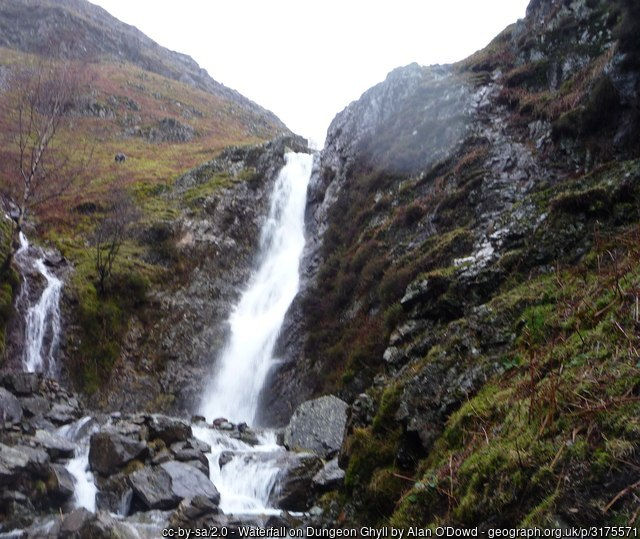

9) Taylor Gill Force
Taylor Gill Force is one of the highest waterfalls in the Lake District, hidden in Borrowdale near Seathwaite. The approach begins on a gentle path through farmland before climbing towards the fell.
Gradually, the sound of water grows stronger, pulling you into the valley’s embrace. When it comes into view, the waterfall tumbles dramatically in a long white stream. The scale and power make it impossible to ignore.
The surrounding scenery is classic Borrowdale, with rugged crags and green slopes on every side. Sheep graze calmly nearby, seemingly unaffected by the roar of the falls. In wet weather, the torrent becomes a thunderous rush that fills the gorge with spray.
The air is sharp and fresh, carrying the scent of grass and stone. On calm days, it sparkles in the sunshine like a ribbon of glass.
Few visitors venture far enough to see Taylor Gill Force, despite its impressive size. Those who make the effort often have it to themselves, creating a deep sense of solitude.
FAQs/Things to know when visiting Taylor Gill Force
Q1: How tall is Taylor Gill Force?
Taylor Gill Force is among the tallest waterfalls in the Lake District, with a dramatic single drop. While not officially the highest, its scale is striking when you stand before it. The long cascade down the fellside makes it one of Borrowdale’s hidden highlights. Many visitors are surprised by its sheer presence.
Q2: How do you reach Taylor Gill Force?
You can reach Taylor Gill Force by walking from Seathwaite in Borrowdale. The path climbs steadily but is not overly long, making it manageable for most walkers. It passes through farmland and into the valley where the falls are located. The journey is as scenic as the destination.
Q3: Is Taylor Gill Force suitable for photography?
Yes, Taylor Gill Force is an excellent subject for photography. Its height and flow create dramatic shots, especially after rain. The surrounding valley provides natural framing, with rugged crags and greenery. Early morning or late afternoon light enhances the atmosphere beautifully.

10) Lodore Falls
Most visitors know Lodore Falls near Derwentwater, but few explore beyond the lower cascade to discover the upper sections.
Tucked higher up the beck, these secret tiers tumble through dense woodland with far fewer people around.
The path winds uphill, with the sound of rushing water always close by. When you reach the hidden cascades, the water spills over boulders in lively steps. Sunlight filters through the trees, painting the spray with fleeting colours.
The upper falls feel more natural and less manicured than the main site below. Moss covers the rocks, and roots twist across the path, reminding you that this is a wilder corner. The water sparkles in broken streams, creating a softer melody than the roar of the lower falls.
Birds flit between the branches, and the earthy smell of damp leaves fills the air. It is a place where time seems to slow.
FAQs/Things to know when visiting Lodore Falls
Q1: How do you reach the upper cascades of Lodore Falls?
To reach the upper cascades, you follow the path that continues beyond the lower viewing area. The climb is steady but not overly demanding, though it can be slippery after rain. It is less signposted, which is why many visitors miss it. Exploring further reveals the quieter and more natural falls above.
Q2: Are the upper cascades less crowded than the main Lodore Falls?
Yes, the upper cascades are far less crowded because most visitors stop at the lower section. This makes them ideal for those seeking peace and solitude. The woodland setting adds to the sense of seclusion. Many people are surprised to find such tranquillity so close to a popular spot.
Q3: What is the best season to visit Lodore’s upper falls?
Every season brings something unique to the upper falls. Spring offers fresh greenery and lively water after snowmelt, while summer brings dappled light through thick leaves. Autumn is especially beautiful with golden colours reflecting in the water. In winter, the cascades can partly freeze, creating striking icy patterns.


The Lake District is a landscape filled with secrets, and its waterfalls are among the most magical of them all. While the main attractions draw the crowds, these hidden cascades reward those who venture a little further or look a little closer.
Each waterfall has its own character, from the dramatic plunge of Scale Force to the quiet woodland streams of Tom Gill and Lodore’s upper tiers. Visiting them is as much about the journey as the destination, with woodland paths, mountain views, and moments of solitude along the way.
The sound of rushing water, the cool spray on your skin, and the shifting play of light all combine to create memories that last long after you leave.
Exploring these ten secret waterfalls offers a chance to see the Lake District from a fresh perspective. They show the quieter side of a much-loved region, where nature reveals itself in unexpected corners. Whether you are a seasoned walker, a photographer seeking inspiration, or simply someone who loves the outdoors, these places will leave you inspired.
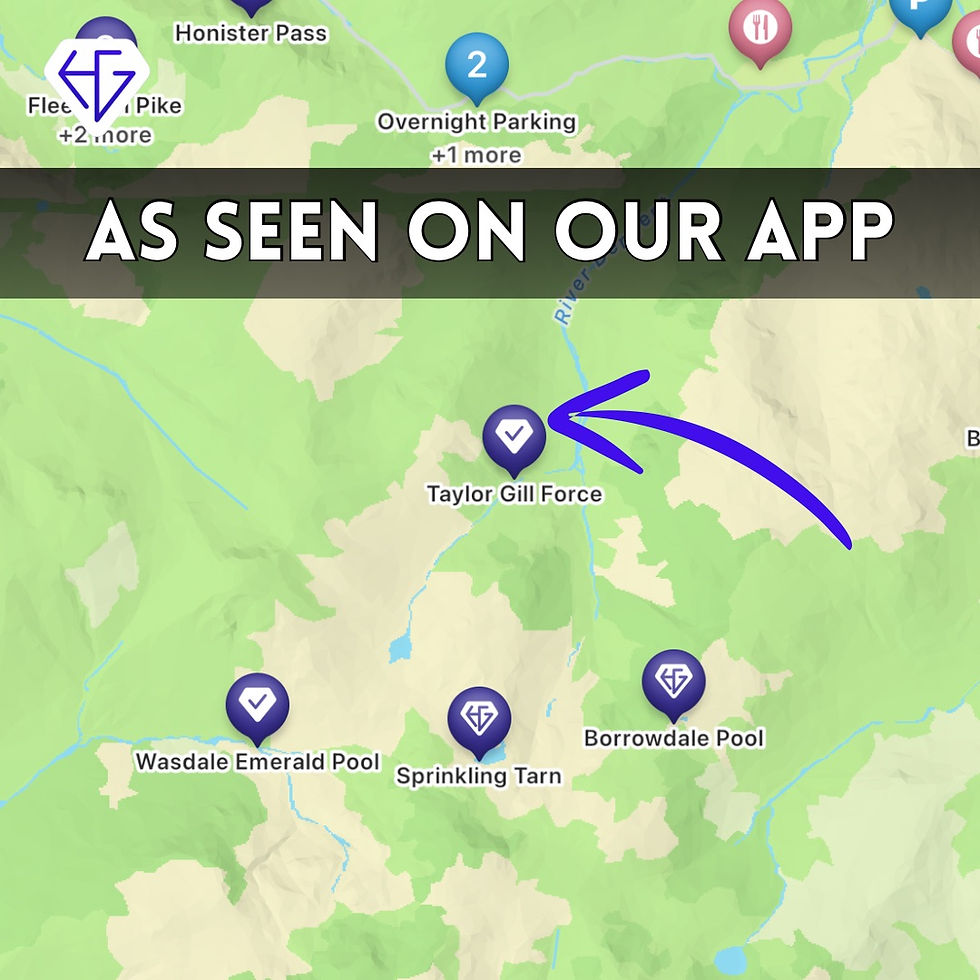
Download the official APP!
Gain access to over 1,600 hidden gems and their co-ordinates all over the UK when you download our app. Add gems to your bucket-list and tick them off as you go along, as well as earn rewards/badges when you visit a certain amount.



Comments